wellness
Thane's Best Farmers Markets and What to Buy in Season Right Now
With monsoon produce flooding local mandis and weekend markets, July is the single best month to eat fresh, eat local, and eat well in Thane.
Listen in English · 4 min
How we reported this
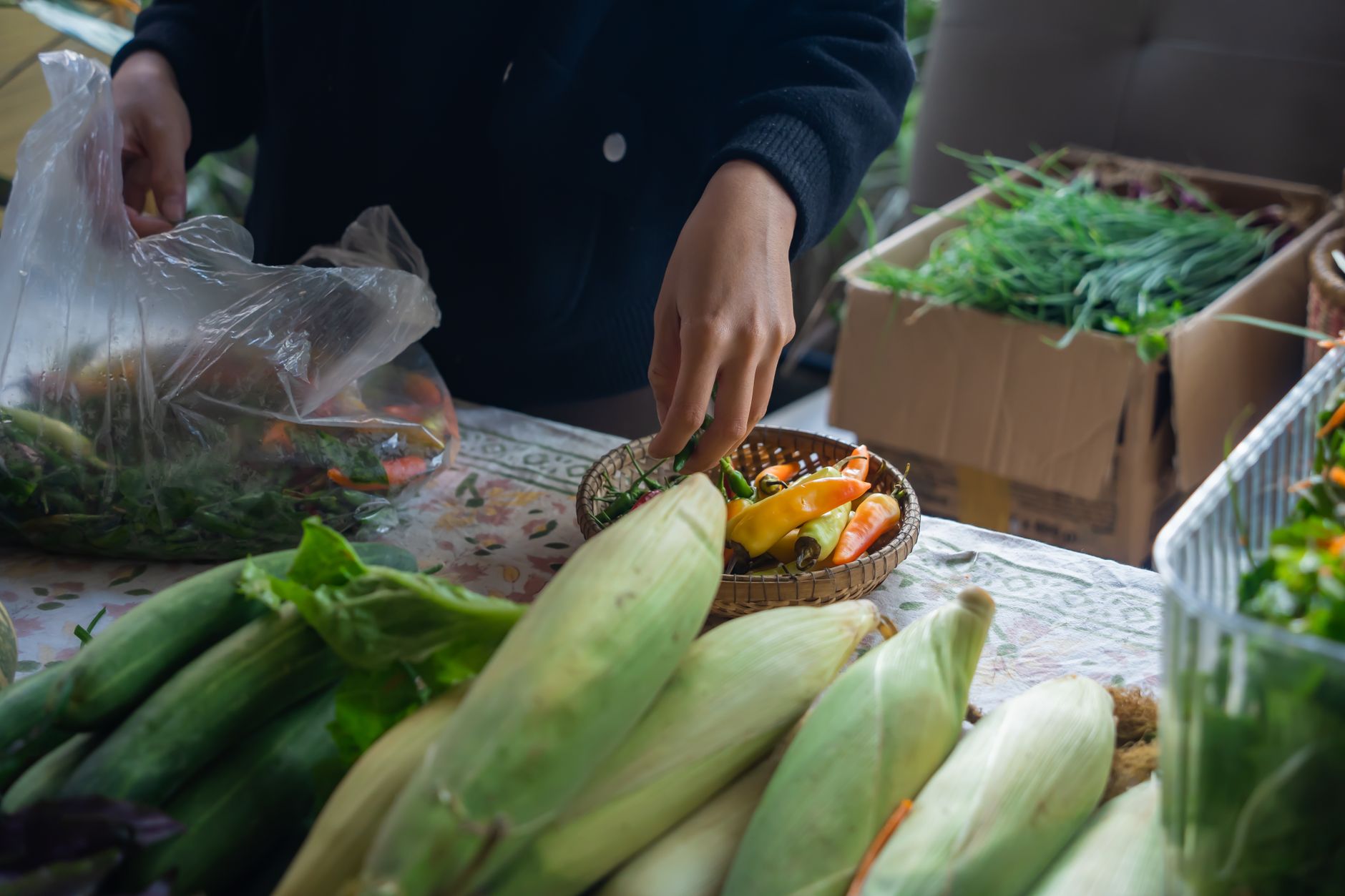
The karela is bitter, the bhindi is tender, and the vendors at Thane's Masunda Lake market are already restocking their crates by 8 a.m. on Saturdays. July marks the peak of kharif season across the Konkan belt, and for residents willing to shop before noon, the city's neighbourhood markets are offering some of the most nutritionally dense produce of the year at prices that haven't been this competitive since the pre-pandemic summer of 2019.
This matters because the relationship between seasonal eating and measurable health outcomes is increasingly well-documented. The Indian Council of Medical Research's 2024 dietary guidelines specifically recommend orienting meals around local, seasonal vegetables as a low-cost strategy for reducing non-communicable disease risk, a concern directly relevant to Thane, where municipal health surveys from 2025 flagged rising rates of lifestyle-linked conditions including Type 2 diabetes across the Wagle Estate and Naupada wards. Eating what the region grows, when the region grows it, isn't romantic, it's practical.
Where to Shop: Thane's Best Market Spots This Month
The Shivaji Market near Thane station's eastern exit remains the city's most reliable daily mandi, operating from roughly 6 a.m. to 1 p.m. seven days a week. Vendors here have been sourcing from Shahapur and Wada taluka farms for decades, and in July that means abundant supplies of raw turmeric, fresh ginger, green chillies, cluster beans (gavar), and colocasia leaves (alu chi paan), the last of which is the backbone of the beloved Malvani dish pathrode. A kilo of fresh turmeric was trading at around ₹80-₹90 this week, roughly 30 percent cheaper than the dried root available in supermarkets year-round.
For those who prefer a curated weekend experience, the Thane Green Market, held on the second and fourth Sunday of each month near Gadkari Rangayatan in Naupada, has gained a strong following since its relaunch in January 2025. Roughly 40 vendors set up stalls offering chemical-free and certified-organic produce, with an emphasis on heirloom varieties not typically found at the general mandi. July editions are particularly worth visiting for purple yam (kand), Konkan ambadi (roselle leaves, loaded with Vitamin C), and several varieties of local mushrooms now in peak flush season thanks to monsoon humidity. Entry is free, and the market typically runs from 8 a.m. to 12 noon.
Don't overlook the smaller residential pocket markets either. The Tuesday and Friday sabzi bazaar along Pokhran Road No. 2 in Thane West, near the Hiranandani Estate junction, draws farmers from Bhiwandi's peri-urban fringe who arrive with produce harvested the previous evening. Leafy greens here, particularly colocasia, amaranth (lal math), and drumstick leaves (moringa), are fresher than almost anything reaching the central mandi and typically 15-20 percent cheaper per kilo.
What to Buy and Why: July's Nutritional Standouts
Monsoon produce in Maharashtra is high in prebiotic fibre and micronutrients largely because the plants are growing in rain-replenished soil. Nutritionists at Thane's Currae Specialty Hospital have noted in public-facing patient material that bitter gourd (karela), now abundantly available at ₹30-₹40 per kilo across Thane markets, contains compounds shown in clinical literature to support blood glucose regulation. That's relevant context for a city working through a diabetes prevalence challenge.
Fresh corn, now arriving from Nashik district, is another July essential, three cobs for ₹20 at most street-level vendors. Corn provides resistant starch and is far lower in simple sugars than its processed equivalents. Meanwhile, kokum, the deep-purple Konkan fruit hitting peak availability this fortnight, functions as both a digestive aid and a cooling agent, a legitimate physiological benefit during Thane's humid 30-32°C July days, not merely culinary tradition.
The practical advice is simple: get to whichever market is closest to you before 9 a.m., carry your own bags, and prioritise whatever is piled highest, surplus produce is always freshest and cheapest. The Thane Municipal Corporation's Swachh Bazar initiative has installed waste-segregation bins at Shivaji Market and Gadkari Rangayatan as of June 2026, so composting your vegetable scraps at home completes the loop. For personalised dietary guidance on incorporating seasonal produce into a specific health plan, consulting a registered nutritionist or the diet clinic at Thane Civil Hospital on Collector's Office Road remains the most reliable next step.