wellness
Malad Residents Combat Urban Sleep Loss: Temperature, Light, Noise Solutions
Urban conditions in Malad are pushing residents to adjust their bedrooms for better rest.
How we reported this
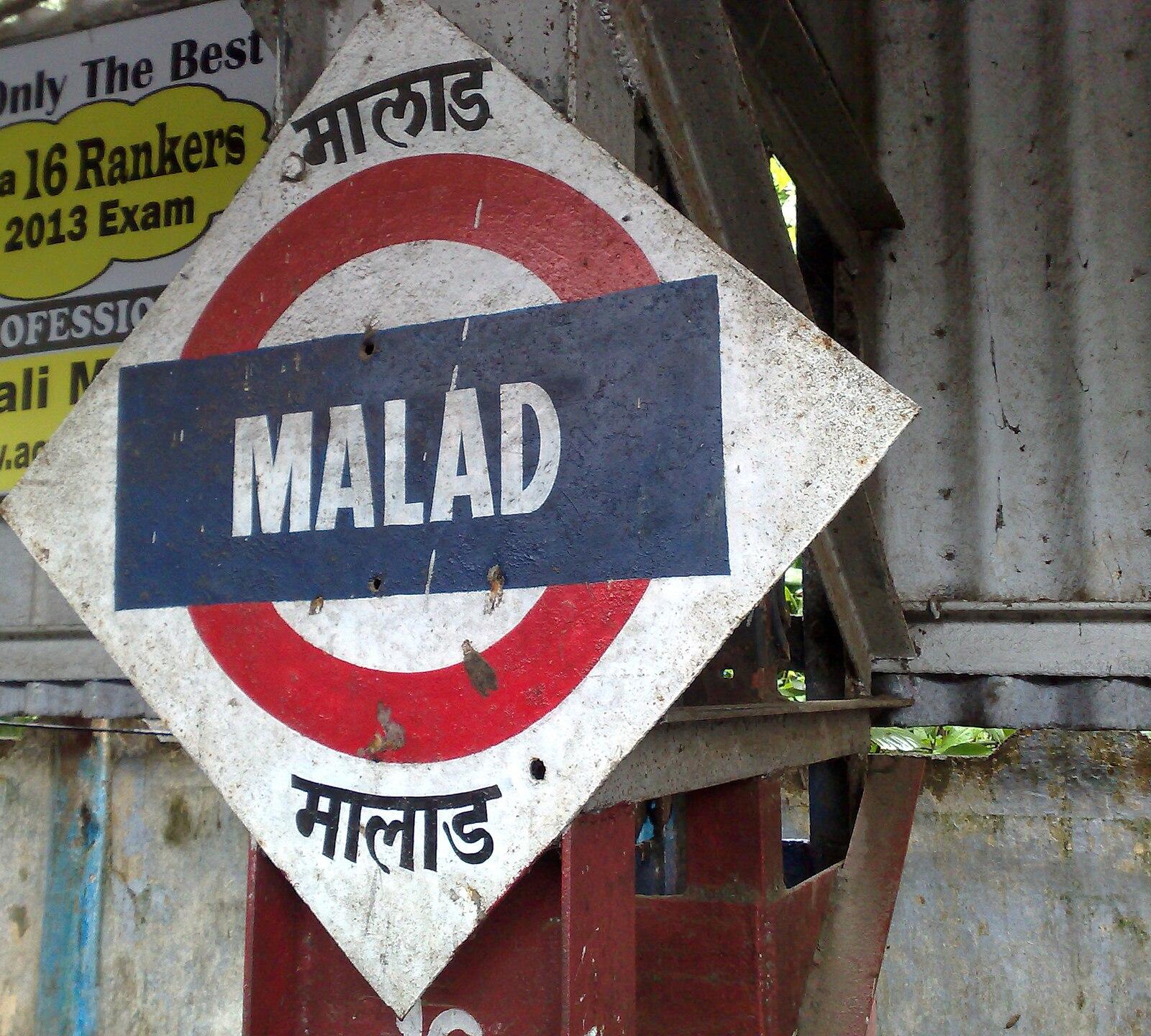
Malad residents are waking up more often because bedroom temperatures climb above 28 degrees Celsius at night, streetlights flood windows on Link Road, and traffic noise from the Western Express Highway reaches 65 decibels after midnight.
The issue has gained attention this July as daytime heat lingers into the evening and construction near Malad East continues past 10 p.m. on weekdays. Local wellness programs now include sleep assessments that track these three factors rather than just recommending earlier bedtimes.
Walk through Orlem and you see blackout curtains on many apartment windows along St. Pius X Road. At the Malad Community Centre on Swami Vivekananda Road, a six-week sleep program that started on 15 June teaches participants to lower room temperatures to 20 degrees and install simple door seals. Both locations draw from the same group of shift workers who live within a kilometre of each other.
A survey conducted by the centre in March recorded that 62 percent of the 340 participants slept fewer than six hours when their bedrooms stayed warmer than 26 degrees. The same group reported an average improvement of 47 minutes of continuous sleep after adding portable air coolers that cost 8,500 rupees and using eye masks bought for 350 rupees at the centre shop.
Practical steps residents are testing
Some households near Mindspace have replaced overhead bulbs with 2,700-kelvin LED strips controlled by timers that dim at 9 p.m. Others on New Link Road bought sound-absorbing panels for 1,200 rupees each after noticing train announcements from Malad station carry through open windows. The community centre plans to hold its next session on 22 July to review results from these changes.
Anyone experiencing ongoing sleep trouble should speak with a doctor at a local clinic before trying new routines. Small, consistent adjustments to temperature, light and noise remain the focus of current local efforts.