wellness
Screen Time Disrupts Sleep: What Science Actually Reveals About Blue Light
From Malad West's late-night gym crowds to teenagers scrolling past midnight in Marve Road apartments, the science on blue light and broken sleep is more complicated, and more actionable, than the wellness industry admits.
Listen in English · 4 min
How we reported this
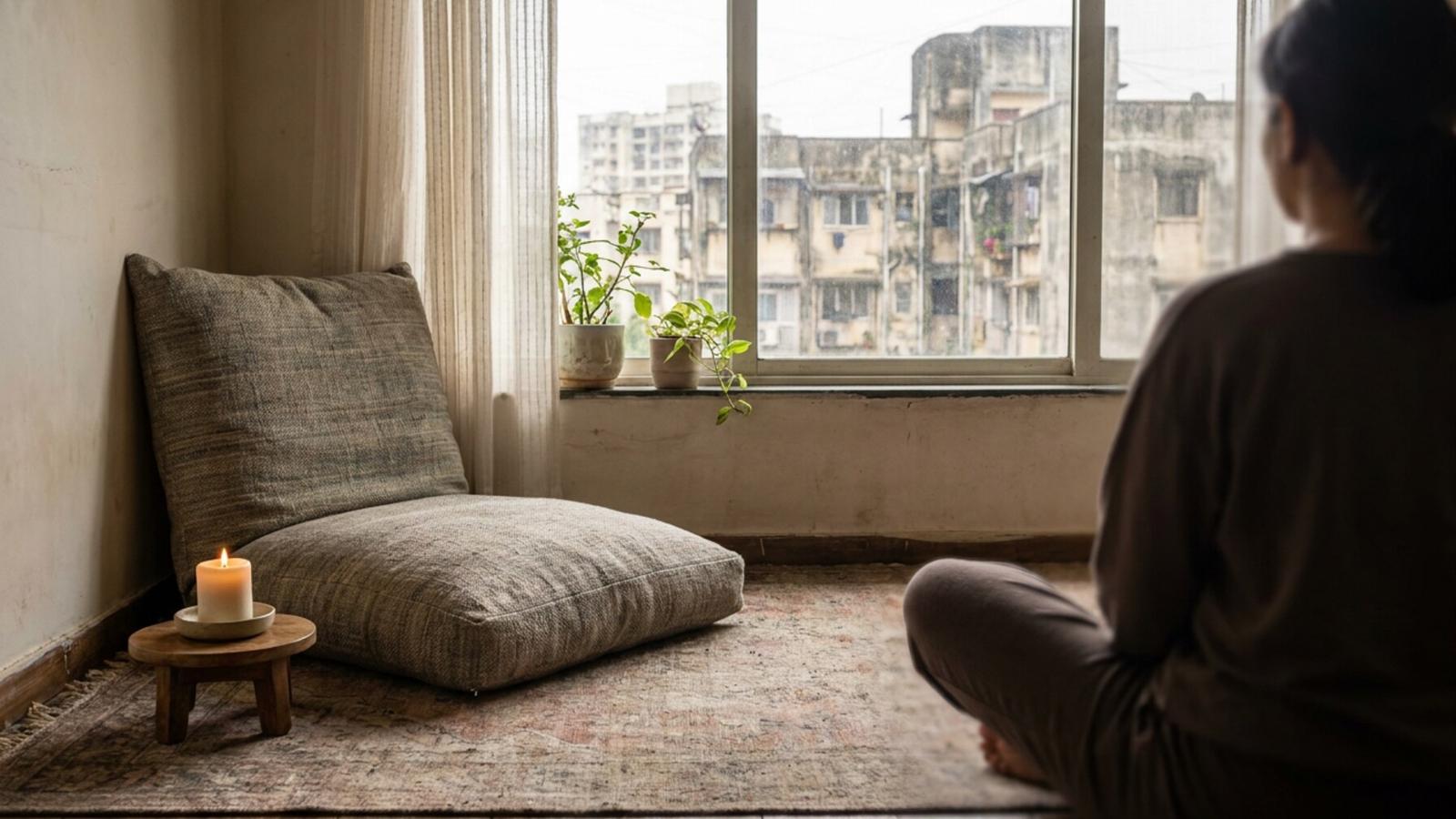
Adults in Mumbai's western suburbs are sleeping, on average, 6.2 hours a night, nearly an hour short of the seven-to-nine hour minimum the American Academy of Sleep Medicine recommends for adults. That gap has researchers at public health institutions looking hard at one variable that has exploded since 2020: recreational screen time in the two hours before bed.
The timing matters. Discussions around hormones and circadian biology have moved into mainstream conversation in mid-2026, and a growing number of wellness practitioners across Malad are fielding questions about melatonin supplements, sleep apps, and whether the phone really is the problem. The short answer from the published literature: yes, but not entirely for the reason most people think.
The blue light story, the idea that short-wavelength light from phone screens suppresses melatonin and delays sleep onset, is real, but it has been somewhat overstated in popular coverage. A 2023 meta-analysis published in Sleep Medicine Reviews found that screen-emitted blue light accounts for roughly 30 percent of sleep-onset delay in habitual late-night users. The larger driver, the same analysis concluded, is cognitive and emotional arousal: the act of scrolling news, social media, or short-form video keeps the brain in a state of alertness that takes 45 to 75 minutes to wind down, regardless of screen brightness settings.
What Malad's wellness community is already doing about it
Walk into Fitness First on S.V. Road in Malad West on a Thursday evening and the 9 p.m. class is reliably full. That late exercise window, trainers there will tell you, creates its own cortisol spike that compounds the problem when members go home and immediately open Instagram. The Malad-based wellness group Mindful Mornings Malad, which holds its weekend sessions at Inorbit Mall's community plaza, has been running a six-week sleep hygiene workshop since June 1, the third iteration of a program that draws 25 to 40 participants per cohort. The ₹1,200 workshop fee covers guided breathwork, a printed sleep diary, and one session specifically on screen boundaries.
Centaur Lake View area residents have access to the Malad Wellness Collective, a loose network of nutritionists, physiotherapists and sleep coaches operating out of a shared clinic space near Poisar Gymkhana. Practitioners there report that the most common presenting complaint since January 2026 has been fragmented sleep, waking between 2 a.m. and 4 a.m., rather than difficulty falling asleep. That pattern, they note, aligns with research from the University of California, Berkeley, published in Nature Human Behaviour in late 2024, which linked late-evening social media use not to sleep latency but to sleep architecture disruption, specifically reduced slow-wave sleep in the first half of the night.
The practical numbers worth knowing
The Berkeley study tracked 850 adults over 12 weeks and found that participants who stopped all screen use by 9:30 p.m. increased their slow-wave sleep by 18 percent within three weeks, without supplements, blackout curtains, or white noise machines. Melatonin supplements, sold at pharmacies along Malad's Marve Road for between ₹180 and ₹650 per pack depending on dosage and brand, can shift sleep timing by roughly 30 minutes when taken correctly. That is a real but modest effect, and the research is clear that supplementation does not compensate for the arousal problem created by late-night scrolling.
What actually works, according to the weight of evidence, is dull. A consistent wake time, even on Sundays, anchors the circadian clock more powerfully than any intervention short of light therapy. Stopping video content 60 minutes before the intended sleep time reduces sleep-onset latency by an average of 22 minutes in healthy adults, per a 2025 Cochrane review. Reading physical print or listening to non-stimulating audio narrows that gap further.
For Malad residents wanting structured support, the Mindful Mornings Malad July cohort opens registration on July 10 at the Inorbit Mall community desk. The Malad Wellness Collective near Poisar Gymkhana offers individual sleep assessments starting at ₹800. As always, anyone experiencing persistent insomnia or daytime impairment should consult a qualified local medical professional before adjusting supplements or sleep schedules independently.