wellness
Your Brain on Stillness: The Science Behind What Mindfulness Actually Does
New neuroscience research is settling old debates about meditation, and Kurla's growing wellness community is already putting the findings to work.
Listen in English · 5 min
How we reported this
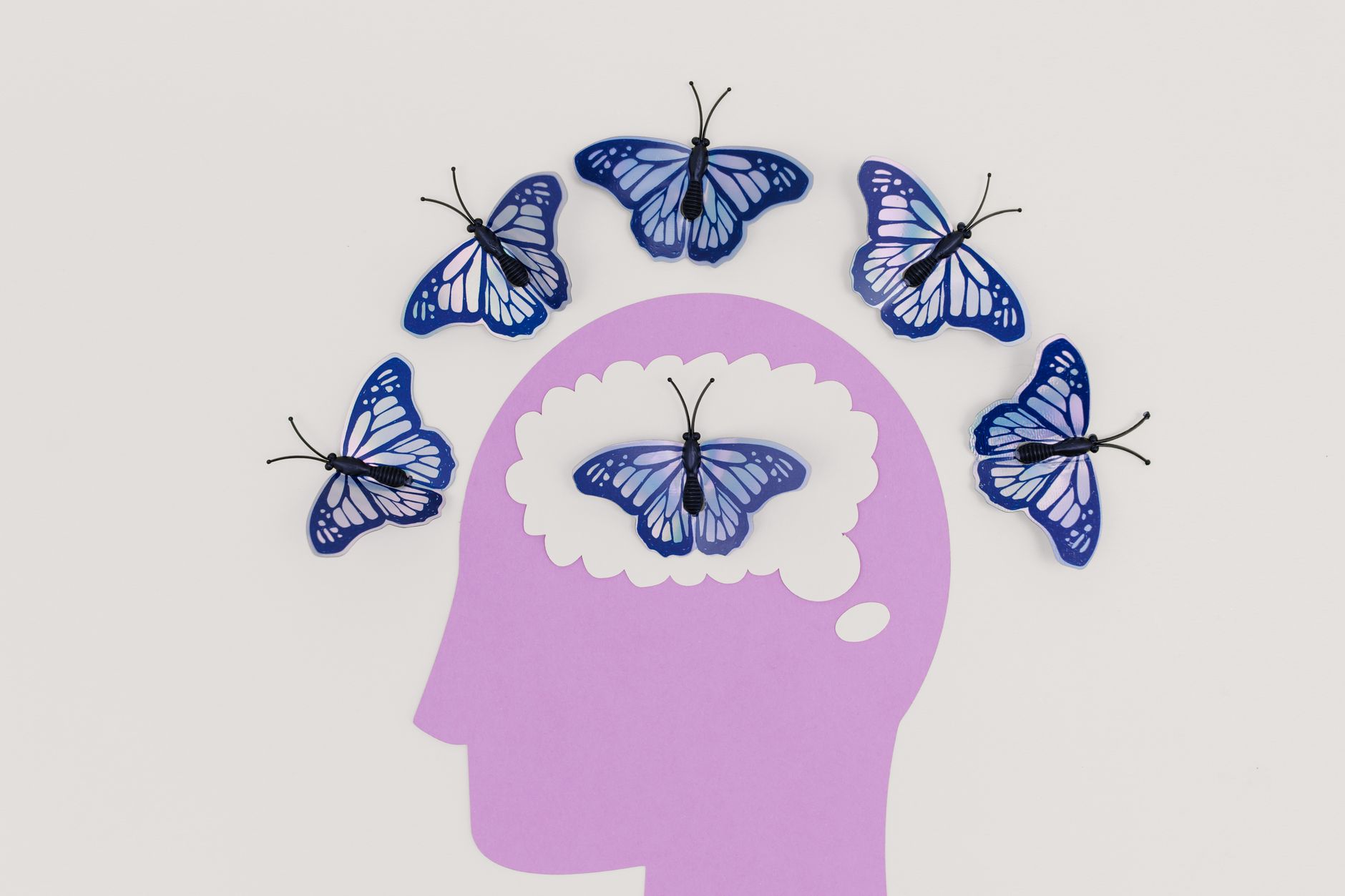
Eight weeks is a commonly cited duration for a consistent mindfulness practice to produce measurable structural changes in the human brain, according to research published by Harvard Medical School in 2011 that has since been replicated across independent studies. The finding, that grey matter density in the hippocampus increases while the amygdala, the brain's threat-detection hub, physically shrinks, is no longer fringe science. It is the basis on which psychologists, neurologists and, increasingly, everyday practitioners in Kurla are rethinking what meditation actually is.
The timing matters. Across the country and globally, conversations about hormonal health, stress load and mental fatigue have intensified. Researchers tracking cortisol levels in urban populations have noted a sustained elevation in chronic stress markers, particularly among working adults. Against that backdrop, mindfulness has moved from the incense-and-cushion corner of wellness culture into clinical settings and corporate wellness programmes alike. Kurla, with its dense residential population and active street-level wellness scene, is no exception.
What the Neuroscience Actually Shows
The brain changes linked to regular meditation fall into three broad categories. First, the prefrontal cortex, responsible for decision-making, emotional regulation and focus, thickens. Second, connectivity between the default mode network, the system that fires up during mind-wandering and rumination, weakens. Less rumination means fewer loops of anxious thought. Third, the insula, which governs interoception or the ability to read internal body signals, becomes more active. Practitioners get better at noticing stress before it escalates.
A 2023 meta-analysis published in Neuroscience and Biobehavioral Reviews, drawing on data from 78 separate trials and more than 5,000 participants, found that mindfulness-based interventions reduced self-reported anxiety symptoms after an eight-week programme. The same analysis found improvements in working memory scores that persisted six months after formal training ended. These are not soft lifestyle outcomes. They are measurable cognitive shifts.
The mechanism is partly biochemical. Meditation suppresses the hypothalamic-pituitary-adrenal axis, the system that floods the body with cortisol during perceived threat. Less cortisol means less inflammation, better sleep architecture and improved immune response. For urban residents dealing with noise, congestion and financial pressure, the kind of low-grade chronic stress that characterises daily life, that suppression effect has practical daily value.
Where Kurla Residents Are Putting It Into Practice
The Kurla Wellness Hub runs an eight-week Mindfulness-Based Stress Reduction programme modelled directly on the protocol developed by Jon Kabat-Zinn at the University of Massachusetts in 1979. Instructors there incorporate breath-focus techniques alongside body-scan practices specifically validated in the neuroscience literature for amygdala down-regulation.
A few kilometres away, the Sattva Meditation Centre near Kurla East has introduced a 21-day introductory module that includes guided sessions in both silent and movement-based mindfulness, the latter drawing on evidence that walking meditation activates the same prefrontal thickening observed in seated practice.
For those who prefer a self-directed start, the evidence supports even modest daily effort. A 2019 study in Behavioural Brain Research found that 13 minutes of guided meditation per day for eight weeks produced significant improvements in mood, attention and memory. Free apps including Insight Timer and Medito provide structured programmes at no cost and can serve as a reasonable entry point before committing to a paid local programme.
The practical advice from the research is straightforward: consistency matters more than duration, morning practice shows marginally stronger cortisol-reduction effects than evening, and the quality of attention during a session, noticing distraction and returning focus, is the active ingredient, not achieving a blank mind. Anyone experiencing significant anxiety, depression or sleep disorders should consult a local medical professional before substituting mindfulness for clinical treatment. For everyone else in Kurla curious about what stillness can do, the neuroscience now has a clear answer. The brain changes. Give it eight weeks.