wellness
Borivali's Best Fermented Foods Boost Gut Health for Generations
From the kanji stalls near Borivali Station to the curd-laden shelves of local dairy shops, the gut-friendly foods science now champions have been on Borivali's streets for generations.
How we reported this
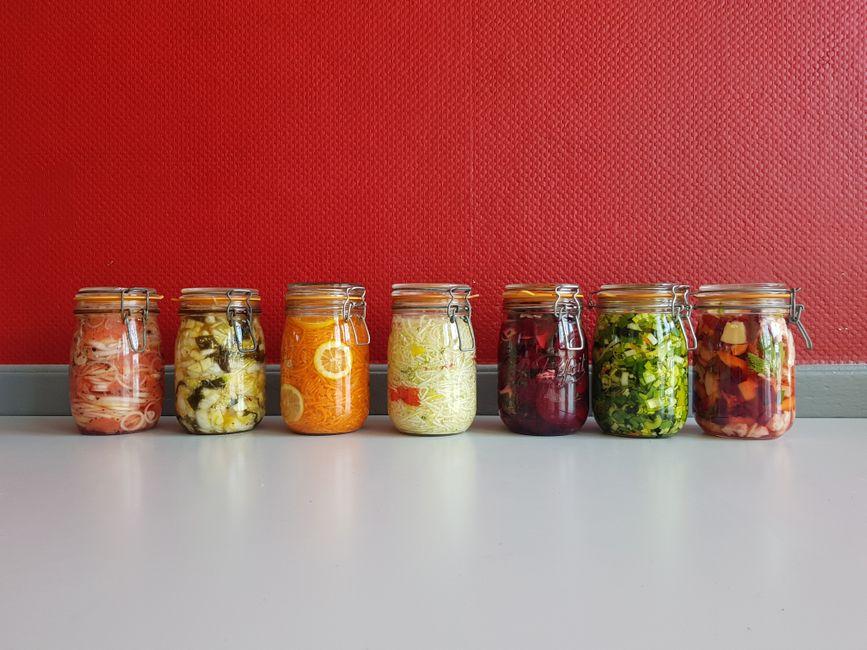
Borivali residents have been eating fermented foods long before the word 'probiotic' appeared on a label. Walk through the Shimpoli Road market on any weekday morning and you will find vendors selling fresh homemade dahi, buttermilk sold by the glass, and pickled raw mango that has been sitting in brine since April. The gut health conversation has finally caught up with what this neighbourhood already knows.
The timing matters. A growing body of clinical research, including a widely cited 2021 Stanford University study published in Cell, found that a diet high in fermented foods increased microbiome diversity and reduced markers of inflammation over a ten-week period. Gastroenterologists across India have noted a rise in patients presenting with irritable bowel syndrome and related digestive complaints, conditions strongly linked to poor gut flora. In Mumbai's northern suburbs, where long commutes, irregular meal times, and heavy consumption of ultra-processed snacks are common, the gut takes a daily hit. Borivali, with its population of roughly 700,000, is no exception.
The good news is that the fix is largely affordable and already local. Sudha Dairy near Borivali West's IC Colony area stocks freshly set curd every morning for around ₹30 to ₹40 for 200 grams, a live-culture product that commercial refrigerated yoghurts rarely match. Regulars know to arrive before 9 a.m. Separately, the Govardhan Eco Village cooperative, which has distribution points that extend into the Borivali-Dahisar corridor, supplies A2 milk curd and cultured buttermilk that have developed a loyal following among residents of Sunder Nagar and Eksar Road. Both products are made using traditional starter cultures rather than freeze-dried commercial strains.
Beyond Dahi: The Fermented Pantry Hiding in Plain Sight
Idli and dosa batter, fermented overnight from udupi rice and urad dal, is sold daily at dozens of tiffin-supply kitchens behind Borivali Station East. The fermentation process, which takes 8 to 12 hours in a warm Mumbai kitchen, produces lactic acid bacteria that survive cooking in a wet batter environment at lower temperatures. Order a steamed idli rather than a fried vada and you are getting a meaningful dose of that bacterial activity. Several Konkani and South Indian households in Kasturi Park and Daulat Nagar maintain their own batter starters, cultures passed down across decades, not unlike European sourdough traditions.
Kanji, the traditional North Indian fermented drink made from black carrots and mustard seeds, appears seasonally at a handful of street-side stalls near Borivali's Poisar Gymkhana area between November and March. During the monsoon months, vendors around the Dahisar Check Naka swap it for a ginger-and-tamarind switchel variant that ferments in clay pots for 24 to 48 hours. A 250 ml glass sells for ₹20 to ₹25. It is obscure, understated, and genuinely useful, the kind of food that does not need rebranding.
Imported kombucha and bottled kimchi now appear on shelves at the Natures Basket outlet in the Oberoi Mall on Western Express Highway, priced at ₹180 to ₹350 per unit. They work, but they are not necessary when the local alternative is often more potent, fresher, and a fraction of the cost. Dietitians recommend that adults consume at least one serving of a live-culture fermented food daily. For most Borivali households that have not abandoned traditional cooking, that target is already within reach.
How to Make the Most of What Is Already There
The practical path forward is straightforward. Prioritise freshly made, unpackaged curd over sealed commercial yoghurt, refrigeration slows but does not eliminate live cultures, while pasteurisation after fermentation kills them entirely. Eat fermented foods at the start of a meal rather than the end. Rotate between different fermented sources across the week rather than relying on a single product. If you are making dosa batter at home in your Borivali kitchen, let it ferment at room temperature for a full 12 hours rather than cutting the process short in the refrigerator.
Anyone with a diagnosed digestive condition, or who is managing a health issue affected by diet, should speak with a registered dietitian or gastroenterologist before making significant changes, the Cooper Hospital Outpatient Centre at Link Road, Malad West, and Wockhardt Hospital at Mira Road both serve patients from Borivali's catchment area. But for the majority of residents, the gut health revolution is less a trend to adopt than a tradition to stop abandoning.