community
Explore Borivali: Sanjay Gandhi Park hikes, seasonal activities year-round.
From lush Sanjay Gandhi National Park hikes to rainy-day arcades, here’s how to make the most of Mumbai’s western suburb all year round.
How we reported this
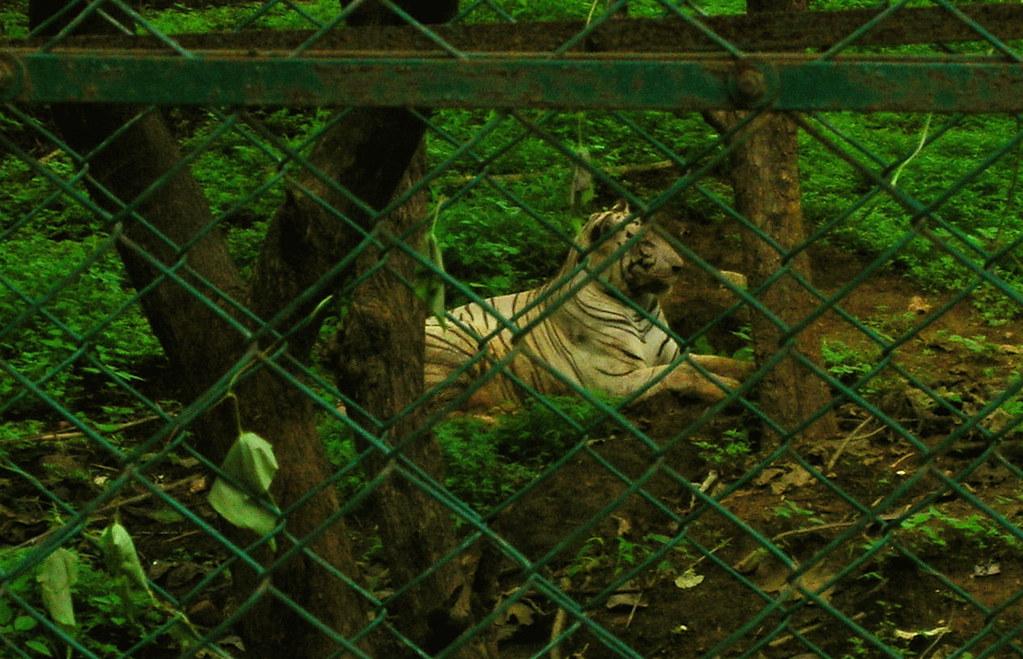
Borivali’s calendar runs on two rhythms. The monsoon, from July to mid-October, transforms Sanjay Gandhi National Park (SGNP) into a green tunnel of gushing streams and birdsong. Winter, from October through January, but especially November to February, brings clear skies and temperatures between 15 and 20 degrees Celsius, ideal for trekking to Kanheri Caves or camping under the stars.
Right now, on July 14, 2026, the southwest monsoon is in full swing. The park’s deciduous canopy has leafed out, seasonal waterfalls are flowing, and birdwatchers are logging species like the Malabar whistling thrush and white-eyed buzzard. For anyone living in or visiting Borivali, this is the moment to lean into the wet, or plan ahead for the crisp months to come.
SGNP stays open 7:30 AM to 6:30 PM, six days a week, closed on Mondays. Separate fees apply for the lion-and-tiger safari, the boating lake and the Van Rani train ride. On a weekday morning, the ticket line is short. On weekends, expect families queuing by 7 AM.
When the heavens open: monsoon picks
The monsoon is not a time to stay indoors. Park trails that are dusty in April turn into slippery paths through fern-carpeted forest. Kanheri Caves, a 2,000-year-old Buddhist complex inside SGNP, takes on a different character when rain drips off the chaitya arches. Visitors should carry waterproof shoes, a change of clothes and maybe a thermos of chai.
For those who prefer dry floors, Growel’s 101 Mall in Kandivali East offers arcade gaming, shopping and multiplex screens. Box Zone amusement center in Borivali West operates from 4 PM to 10 PM; its air-conditioned rooms are a reliable standby when the afternoon downpour turns the streets into rivers.
Weekend getaways within two hours’ drive include Lonavala, Karla Caves and Bhavali Waterfalls. The misty weather there amplifies the curtain of falling water, but roads can be slow, so an early start is recommended.
Winter’s sweet spot: trekking and camping
When the humidity drops and the sky turns that sharp Mumbai blue, outdoor life shifts into high gear. SGNP’s trekking trails, from the easy 2-km walk to Shilonda waterfall to the more strenuous climb up to the Kanheri plateau, become popular again. Camping is allowed in designated zones inside the park, usually requires prior booking, and gives you a night under a canopy of stars far from the glow of the Western Express Highway.
The Kanheri Caves themselves are at their best in winter: dry, cool and quiet. Visitors can spend hours exploring the 109 rock-cut cells, stupas and inscriptions without sweating through their shirts.
For wildlife viewing, winter mornings are prime time. Leopards are spotted with some regularity along the park’s internal roads, especially near the Tulsi Lake boundary. Birders should bring binoculars for the winter migrants: Asian paradise flycatchers, blue-capped rock thrushes and the occasional grey-headed fish eagle.
Timing matters. SGNP’s safari safaris run on a first-come, first-served basis; winter weekends often see the 9 AM slot fill by 8:15. The Van Rani train, a toy-train-like ride through the forest, is especially popular with children and requires a separate ticket purchased at the main gate.
Whether you’re chasing monsoon greenery or winter comfort, Borivali’s seasonal rhythms are easy to ride if you plan ahead. Check the park’s holiday calendar, it closes on Mondays year-round, and carry cash, because the ticket counters don’t always accept cards. And remember: in monsoon, the park may close trails if lightning is reported. In winter, bring a light jacket for the evening chill.