property
Build-to-Rent Comes to Borivali: What the New Developments Actually Offer Tenants
As buying a flat in Borivali's western suburbs becomes financially out of reach for more households, purpose-built rental projects are promising long leases, managed amenities and no broker drama, but the numbers still need scrutiny.
How we reported this
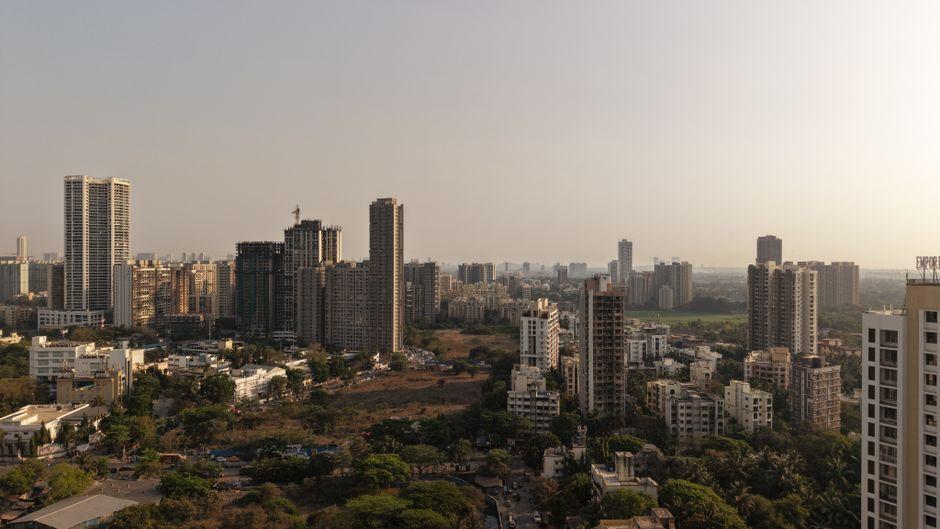
A 2BHK flat near Borivali station's western exit now asks anywhere between ₹1.4 crore and ₹1.9 crore on the resale market, putting ownership firmly beyond the monthly budget of most salaried households in the neighbourhood. Against that backdrop, three build-to-rent projects are either under construction or in advanced planning stages along the Borivali-Dahisar corridor as of July 2026, offering an alternative that did not meaningfully exist here five years ago.
The timing matters. Mumbai's broader housing market has seen asking prices in the western suburbs hold stubbornly high through 2025 and into this year, while home loan interest rates have stayed elevated well above pre-pandemic lows. For a family taking a ₹1.2 crore loan at current rates, the equated monthly instalment clears ₹1 lakh, nearly double what a comparable managed rental unit in Borivali East might cost. That gap is finally large enough to make renting feel like a rational strategy rather than a consolation prize.
What Build-to-Rent Actually Delivers Here
Unlike the standard Borivali rental arrangement, negotiate with an owner through a broker, pay two months' brokerage, sign an 11-month agreement with no security of tenure, build-to-rent schemes are structured as institutional products. The units are owned and managed by a single entity, leases run for three years or longer, and maintenance, security and common amenities are bundled into a monthly fee. One project taking shape near Poisar Gymkhana Road in Borivali East is marketing 1BHK and 2BHK units with fit-out kitchens, a gym, co-working space and a no-brokerage policy. Another development on the Shimpoli Road stretch in Borivali West targets mid-income professionals relocating to the suburbs from the island city.
The National Real Estate Development Council has flagged build-to-rent as an underdeveloped segment in Indian metros, and Maharashtra's state housing policy, updated in late 2024, introduced a concession framework for developers who designate a portion of a project exclusively for long-tenure rentals. That policy change is one reason institutional interest in Borivali specifically has accelerated: the suburb sits at the northern terminus of the Western Railway suburban network, giving it strong connectivity to Lower Parel and BKC employment hubs without the land costs of Andheri or Goregaon.
The Renter vs Buyer Calculation, By the Numbers
Consider what the affordability gap looks like in concrete terms. A managed 2BHK in a build-to-rent scheme in Borivali East is currently being priced at roughly ₹38,000 to ₹45,000 per month inclusive of maintenance. Buying a comparable unit, assuming a 20 percent down payment on a ₹1.6 crore flat, would require a down payment of ₹32 lakh upfront and an EMI of approximately ₹1.08 lakh per month at current lending rates. Over a 36-month horizon, the renter saves somewhere in the range of ₹23 lakh in cash outflow, a figure that grows if you factor in stamp duty, registration charges and the Society transfer fees that buyers in established Borivali co-operative housing societies routinely face.
The counterargument is equally real: a renter builds no equity. In Borivali, where resale values along S.V. Road and near the National Park buffer zone have historically appreciated 6 to 8 percent annually over decade-long cycles, walking away from ownership means walking away from compounding capital gains. That is a genuine trade-off, not a negligible one.
For households earning between ₹80,000 and ₹1.5 lakh per month, a wide band that covers much of Borivali's working population, the practical advice is straightforward. If a down payment would drain an emergency fund or require liquidating investments, renting in a managed build-to-rent project for three to five years is a defensible choice. Use that period to build the corpus. Watch how the first wave of Borivali build-to-rent projects manages maintenance promises beyond year two, because that is where institutional landlords in comparable markets have historically struggled. And read the lease for exit clauses before signing anything, the scheme's long-tenure pitch is only an advantage if the lock-in terms are mutual, not one-sided.
This article is general information only and is not personal financial or investment advice. Consider your own circumstances and seek licensed professional advice before making financial decisions.