Politics
Borivali's New Transport Policy Will Reshape Commute Routes for Thousands
The updated transport strategy aims to improve travel efficiency and reduce congestion for Borivali residents over the next decade.
How we reported this
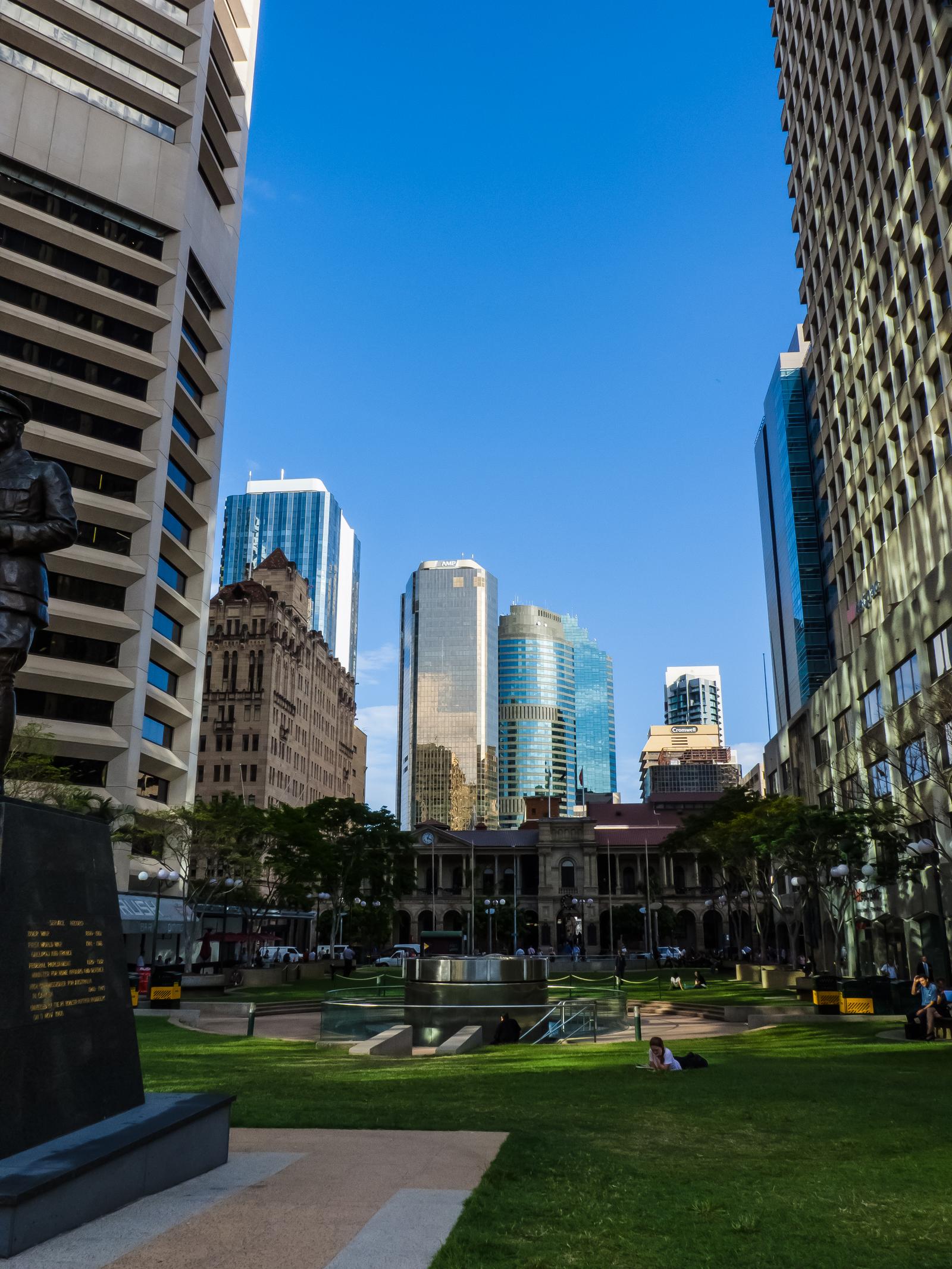
The Borivali Municipal Council has released its comprehensive transport policy review, set to affect daily commuters, local businesses, and public service users in the suburb. The review outlines planned investments and regulatory changes expected to reshape how residents travel within Borivali and connect to greater Mumbai.
The timing of this policy update reflects growing concerns over traffic congestion, environmental pollution, and rising commute times experienced by Borivali households and workers. With Borivali’s population surpassing 600,000 and continuing to grow, local officials cite the need for a transport framework that supports sustainable development and economic activity. The policy review appears aligned with broader state initiatives to modernize transport infrastructure across the Mumbai Metropolitan Region.
Implications for Borivali Residents
For daily commuters, the policy proposes enhancements to public bus routes, prioritizing increased frequency during peak hours and improved connections to the Borivali Railway Station, a key transit hub. Local advocates particularly welcomed announcements around introducing dedicated bus lanes on Western Express Highway stretches passing through Borivali, which is projected to reduce travel times by up to 15% according to municipal estimates.
In addition to public transit upgrades, the review calls for expanded pedestrian walkways and cycling paths, focusing on key commercial and residential corridors such as Kandivali Link Road and Borivali West's market areas. Policy analysts suggest these measures will offer safer, more accessible options for short-distance trips, potentially reducing reliance on private vehicles and mitigating traffic congestion.
Local businesses stand to benefit as better transport links improve customer access and support timely employee commutes. The policy also references potential zoning updates to facilitate transit-oriented developments, which could influence property values and commercial activity patterns. However, some residents expressed concerns about construction disruptions during implementation phases.
Data and Budget Allocation
The transport policy review document specifies a budget allocation of approximately ₹150 crore over the next five years dedicated to upgrading road infrastructure and expanding public transport services within Borivali. This figure represents an increase of nearly 20% compared to the previous local transport budget cycle. The policy notes that these funds are expected to leverage central and state government grants focused on urban mobility.
According to the review, Borivali experiences an average daily traffic volume exceeding 120,000 vehicles along its primary arteries, contributing significantly to air pollution levels measured at 80 micrograms per cubic meter for particulate matter 2.5-a figure above the national recommended standards. The proposed interventions aim to reduce these numbers, with particular emphasis on reducing vehicle emissions and managing traffic flow.
Next Steps and Implementation Timeline
The Municipal Council has scheduled a series of public consultation sessions throughout July and August to seek community feedback on the proposed transport measures. Implementation of key projects, such as bus lane construction and pedestrian pathway expansions, is projected to begin in early 2027, with phased completion stretching through 2030. Continuous monitoring and periodic review points are planned to assess the policy's effectiveness in responding to evolving transport needs.
Local residents are urged to participate in consultation events and submit feedback via the Council’s official website. Policy analysts emphasize that sustained community engagement will be critical to ensure that the transport review delivers tangible improvements to Borivali’s daily life and economic vitality.