news
Borivali Traffic Management Enters Phase of Key Choices
Authorities face choices on how to address persistent congestion as planning moves ahead.
How we reported this
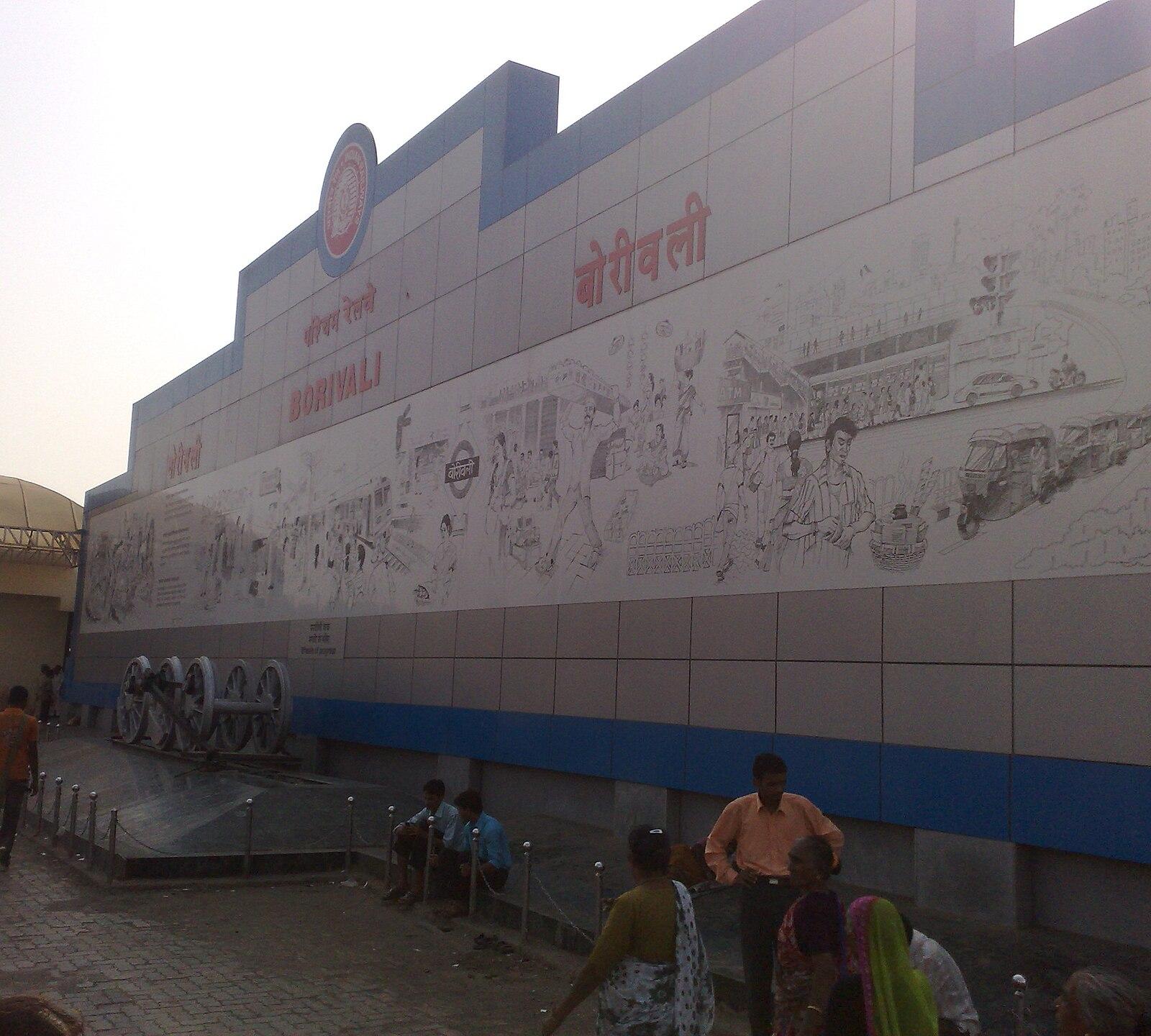
Borivali commuters face ongoing pressure on daily travel times, and local officials now confront a set of decisions that will shape road use for years ahead.
The timing matters because population growth in the western suburbs continues to add vehicles to the network without matching expansion of capacity. Residents report longer waits at signals and slower movement during peak hours, which affects work schedules and access to rail connections.
Current patterns and local pressure points
Traffic builds at entry points to Borivali from surrounding areas, with bottlenecks forming where arterial roads meet residential clusters. Public transport usage remains high, yet many still rely on private vehicles for last-mile travel. This mix creates repeated friction during morning and evening rushes.
Qualitative accounts from regular travelers describe queues that stretch for blocks near major intersections, with spillover onto side streets that were not designed for through traffic. The absence of recent large-scale road widening projects leaves planners with narrower options for quick relief.
Decisions that lie ahead
City agencies must weigh whether to prioritize signal synchronization, dedicated bus lanes, or expanded parking management near rail hubs. Each route carries different costs and timelines, and none offers immediate resolution. Coordination between municipal departments and state transport bodies will determine which measures advance first.
Residents can track updates through official ward notices and local civic forums. Checking published meeting schedules and submitting comments during consultation windows offers one direct channel for input on the options under review. No firm rollout dates have been set, leaving the sequence of steps open for the coming months.